
Exporting products from India is no longer limited to large corporations. With the growth of e-commerce, online B2B marketplaces, government support, and simplified export procedures, even small businesses and first-time exporters can start exporting with an investment of less than ₹5,00,000.
If you are planning to enter international trade with a limited budget, choosing the right product is the key to success. Many Indian products have strong global demand and can be sourced, packed, and exported without investing huge amounts of money.
In this guide, we’ll explore the best products that can be exported under ₹5 lakh, the estimated investment required, and tips for building a successful export business.
Can You Start Exporting with ₹5,00,000?
Yes. A budget of ₹5 lakh is sufficient to start a small-scale export business if you carefully select your product and target market.
A typical investment may look like this:
| Expense | Estimated Cost |
|---|---|
| Product Procurement | ₹2,50,000–₹3,50,000 |
| Packaging & Branding | ₹30,000–₹60,000 |
| Freight & Logistics | ₹40,000–₹80,000 |
| Documentation & Compliance | ₹20,000–₹40,000 |
| Marketing & Samples | ₹30,000–₹50,000 |
The actual investment depends on the type of goods, destination country, and shipping method.
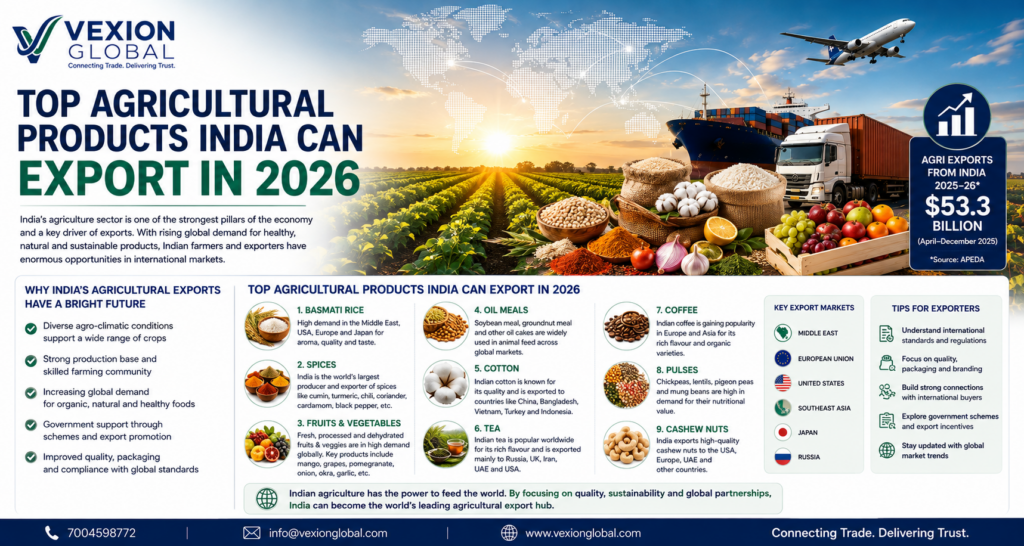
1. Spices
India is one of the world’s largest exporters of spices.
Popular export products include:
- Turmeric
- Black Pepper
- Cardamom
- Cumin
- Coriander
- Red Chilli Powder
Why Export Spices?
- High international demand
- Easy packaging
- Good profit margins
- Long shelf life
Major Markets:
- USA
- UAE
- Canada
- UK
- Australia
Estimated Investment:
₹2–4 lakh
2. Handicrafts
Indian handicrafts are appreciated worldwide because of their craftsmanship and cultural value.
Popular products include:
- Wooden handicrafts
- Brass items
- Marble artifacts
- Home décor
- Wall hangings
- Decorative lamps
Best Markets:
- USA
- Germany
- France
- Australia
Estimated Investment:
₹2–5 lakh
3. Cotton Garments
India is one of the largest textile exporters.
Products include:
- T-Shirts
- Shirts
- Kurtis
- Kids Wear
- Cotton Dresses
- Ethnic Wear
Why They Sell Well:
- Sustainable fabric
- Competitive pricing
- High global demand
Investment:
₹3–5 lakh
4. Jute Products
Eco-friendly products are replacing plastic in many countries.
Popular items:
- Jute Bags
- Shopping Bags
- Gift Bags
- Storage Baskets
Top Markets:
- Europe
- USA
- Japan
Investment:
₹2–4 lakh
5. Herbal Products
Indian herbal products enjoy strong demand because of Ayurveda and natural wellness trends.
Examples:
- Herbal Tea
- Neem Products
- Aloe Vera Products
- Herbal Powders
- Natural Oils
Investment:
₹2–5 lakh
6. Incense Sticks (Agarbatti)
A low-investment product with worldwide demand.
Export Markets:
- USA
- UK
- Nepal
- UAE
- South Africa
Advantages:
- Lightweight
- Low shipping cost
- Good margins
Investment:
₹1–3 lakh
7. Tea & Coffee
Premium Indian tea and coffee have excellent export potential.
Popular products:
- Assam Tea
- Darjeeling Tea
- Nilgiri Tea
- South Indian Coffee
Investment:
₹2–4 lakh
8. Dry Fruits and Processed Foods
Many Indian food products are exported in small consignments.
Products include:
- Cashew
- Raisins
- Fox Nuts (Makhana)
- Pickles
- Papad
- Ready-to-Eat Foods
Investment:
₹3–5 lakh
9. Leather Goods
Leather products from India are well known for quality.
Examples:
- Wallets
- Belts
- Handbags
- Laptop Bags
- Travel Accessories
Investment:
₹3–5 lakh
10. Engineering Components
Small engineering products also have export potential.
Examples:
- Nuts & Bolts
- Fasteners
- Auto Parts
- Machine Components
Investment:
₹4–5 lakh
11. Stationery Products
Educational products have consistent international demand.
Products:
- Notebooks
- Pens
- Office Files
- Art Supplies
Investment:
₹2–4 lakh
12. Bamboo Products
Sustainable products are becoming increasingly popular.
Examples:
- Bamboo Toothbrushes
- Bamboo Straws
- Bamboo Furniture
- Kitchenware
Investment:
₹2–4 lakh
Products with the Highest Profit Potential Under ₹5 Lakh
| Product | Approx. Investment | Export Potential |
|---|---|---|
| Spices | ₹2–4 lakh | ★★★★★ |
| Handicrafts | ₹2–5 lakh | ★★★★★ |
| Cotton Garments | ₹3–5 lakh | ★★★★★ |
| Tea & Coffee | ₹2–4 lakh | ★★★★☆ |
| Jute Bags | ₹2–4 lakh | ★★★★★ |
| Herbal Products | ₹2–5 lakh | ★★★★☆ |
| Leather Goods | ₹3–5 lakh | ★★★★☆ |
| Incense Sticks | ₹1–3 lakh | ★★★★☆ |
| Bamboo Products | ₹2–4 lakh | ★★★★☆ |
| Processed Foods | ₹3–5 lakh | ★★★★★ |
Documents Required Before Exporting
Before exporting any goods, ensure you have:
- Import Export Code (IEC)
- PAN Card
- GST Registration (where applicable)
- Current Account
- AD Code Registration with Customs
- Commercial Invoice
- Packing List
- Shipping Bill
- Bill of Lading or Air Waybill
- Certificate of Origin (if required by the buyer)
Tips to Start Exporting Successfully
- Choose products with steady global demand.
- Start with small trial orders to reduce risk.
- Maintain strict quality standards.
- Use professional packaging and labeling.
- Build an online presence through your website and B2B portals.
- Research import regulations in the destination country.
- Price products competitively while accounting for logistics and compliance costs.
- Stay connected with buyers through prompt communication and after-sales support.
Common Mistakes to Avoid
- Selecting products without market research.
- Ignoring international quality standards.
- Underestimating shipping and customs costs.
- Poor packaging that leads to product damage.
- Not verifying overseas buyers.
- Accepting unfavorable payment terms.
Conclusion
A budget of ₹5,00,000 is enough to begin your export journey if you focus on products with strong demand and manageable logistics. Spices, handicrafts, cotton garments, jute products, tea, coffee, herbal products, and processed foods are among the best options for first-time exporters due to their relatively low investment requirements and broad international appeal.
Success in exports depends not only on choosing the right product but also on understanding documentation, complying with regulations, maintaining product quality, and building trustworthy relationships with overseas buyers. With careful planning and consistent effort, a small investment today can become the foundation of a sustainable global business.